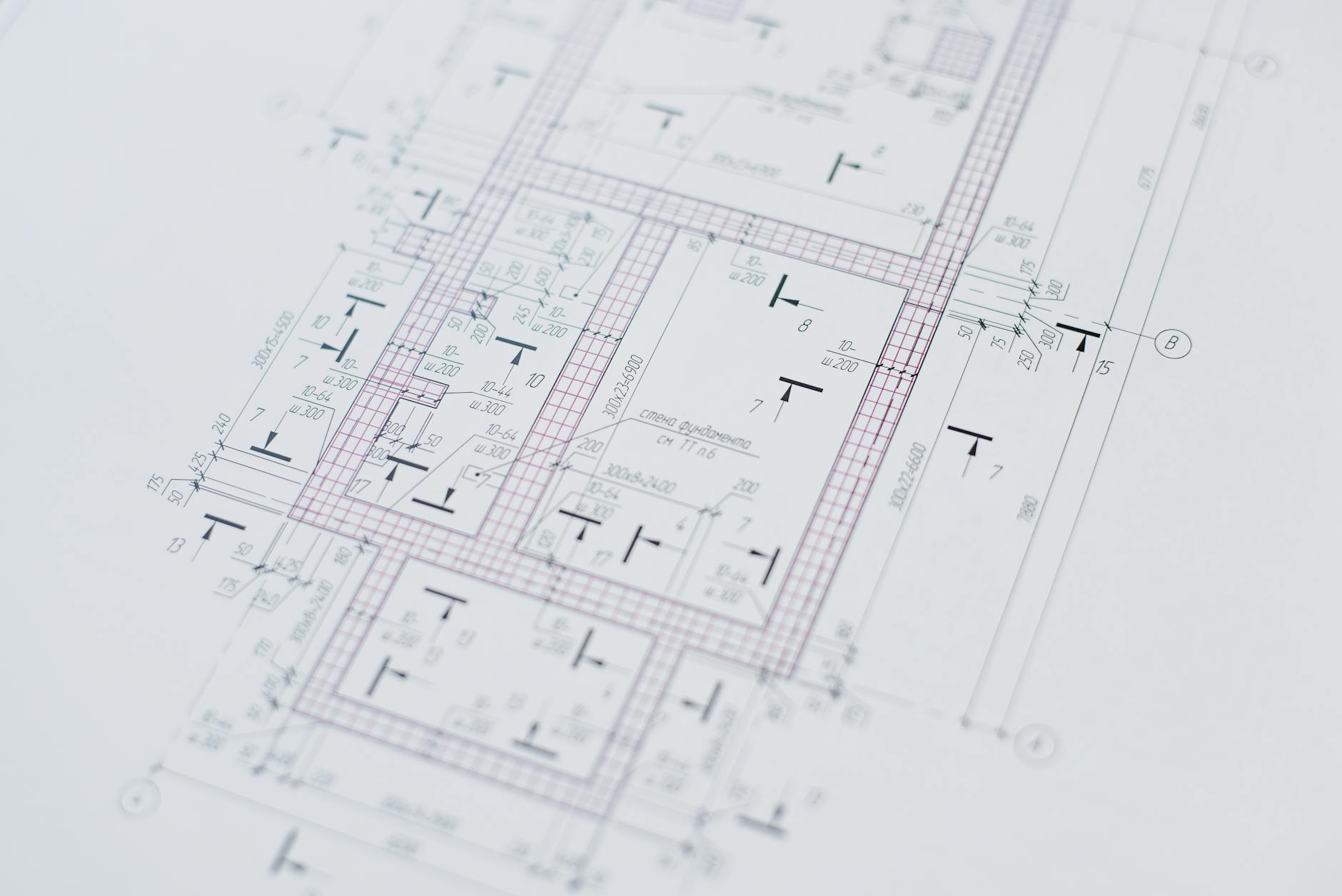

If you are planning a new build, subdivision, or mixed-use project in 2026, the CIC Design Guidelines remain essential. Understanding the CIC Design Guidelines 2026 helps your professional team operate efficiently—defining who does what, when, and to what level of detail, from the first feasibility sketch through to handover and defects resolution.
For investors, developers, and landowners, understanding the stages is less about box ticking. Furthermore, it is more about protecting capital, controlling risk, and keeping everyone accountable.
The Framework Behind Every NZ Build: CIC Design Guidelines 2026
The NZ Construction Industry Council (CIC) Design Guidelines 2016–2022 remain the primary industry standard. They define responsibilities and deliverables across the full project lifecycle. While a comprehensive update is expected, the current guidelines are still widely used. Consequently, they remain the day-to-day reference point for consultants, contractors, and funders across New Zealand.
Stage 1 — Project Establishment Under CIC Design Guidelines 2026
Stage 1 is where the foundations are set before any serious design spend occurs. Key tasks include establishing the project brief, budget, and a realistic high-level programme. In addition, this stage involves defining designer duties and health and safety planning under the Health and Safety at Work Act 2015. Furthermore, it requires stress-testing planning controls, consent pathways, and overall project viability before committing significant capital.
Stages 2A & 2B — Preliminary and Developed Design
Stages 2A and 2B move the project from concept into a coordinated and costed solution. Preliminary Design (2A) produces scaled plans, sections, and elevations. These are checked against the Building Code and district plan rules. Developed Design (2B) then coordinates structure, services, fire, facade, and sustainability strategies. As a result, it produces a robust, costed package ready for full documentation.
By 2026, BIM is common on larger and public-sector projects for coordination and clash detection. Consequently, it reduces onsite variations and rework.
Stage 3 — Detailed Design
Stage 3 is where ideas become buildable documents that contractors can price and councils can consent. Outputs include fully coordinated drawings and specifications, as well as performance requirements. In addition, building consent documentation must align with current Building Code requirements.
A key 2026 consideration is the November 2025 Building Code update. For example, it includes revised H1 energy efficiency requirements with a transition to 31 July 2026.
Stage 4A — Procurement
Stage 4A is about selecting and contracting the right build team. In 2026, NZS 3910:2023 is the current form. It replaces the traditional Engineer to the Contract with distinct Contract Administrator and Independent Reviewer roles. Furthermore, tenders should be assessed on programme, delivery methodology, and health and safety capability — not just price.
Stage 4B — Construction Administration
Stage 4B is where design intent is monitored against what is actually being built on site. The guidelines cover contract administration, site observation, and quality assurance through to Practical Completion. For investors and funders, this stage is critical to avoiding performance shortfalls. Consequently, it also helps in maintaining a robust audit trail.
Stage 5 — Post Completion
Stage 5 closes the loop and safeguards long-term asset performance. Key components include defects management and finalisation of accounts. This leads to Final Completion and release of retentions. In addition, it involves delivering digital as-built documentation, BIM models, warranties, and Code Compliance Certificates.
Why This Matters for Your Next Project
For Auckland landowners and developers, using this framework intelligently means better alignment between planning controls, yield, and feasibility assumptions from day one. Furthermore, it means fewer surprises during consenting, tendering, and construction. As a result, it provides stronger governance and evidence for lenders, investors, and JV partners throughout the lifecycle.
Early engagement with the CIC stages is one of the most effective ways to protect project value in 2026. However, this is especially important as build costs, consenting risk, and funding criteria continue to tighten.