
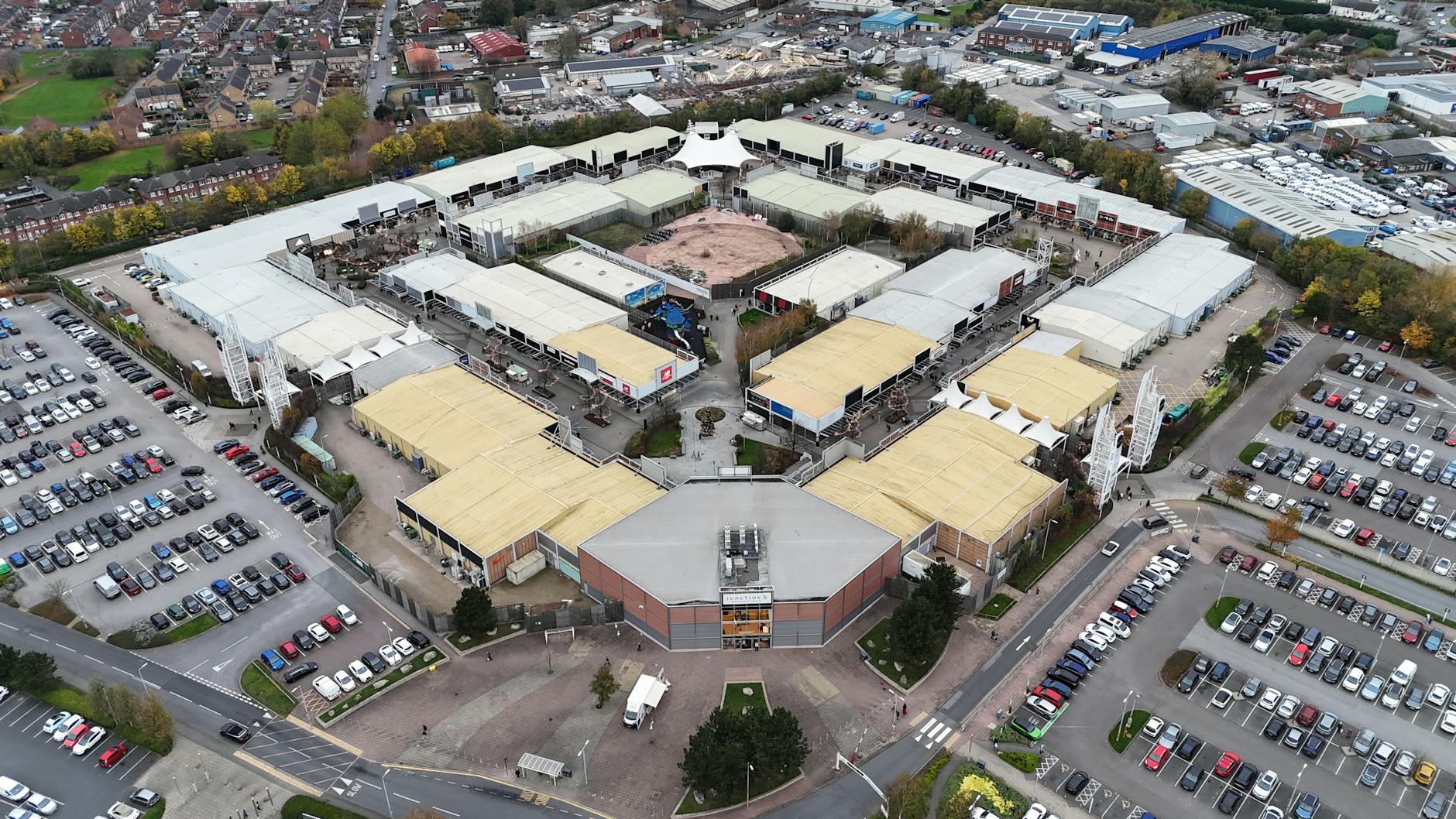
Network planning is a critical discipline for commercial real estate operators. It helps you grow and optimise your portfolio. In a market like Auckland, getting one site wrong can drag down an entire portfolio. Furthermore, getting the network right can unlock years of compounding value. As corridors densify, greenfield areas come on, and regulations shift, a deliberate plan becomes essential. Network planning is how you move from one-off, reactive deals to a strategic approach for where your capital, projects, and tenant relationships should go next.
What Is Network Planning in Commercial Real Estate?
Network planning is the discipline of deciding where, when, and how to grow or reshape a portfolio. It ensures you are in the right locations, at the right scale, for the right customers. Rather than looking at each asset in isolation, you look at the region as a whole. In addition, you map demand, competition, and growth to design a network that works as a system.
For owners, developers, and occupiers, that usually means answering five core questions. Where is our customer today? Where will they be in 5–15 years? How many locations do we need? What role should each location play? In what sequence should we invest, refurbish, relocate, or exit?
Why Network Planning Matters More for Commercial Real Estate Now
Shifts in population, hybrid working, e-commerce, and transport infrastructure mean yesterday’s prime is not always tomorrow’s. Furthermore, zoning changes can quickly alter what was once a strong location. A mis-step in location or timing is expensive to unwind once you’ve committed to land, consents, and build.
A robust network plan helps you put capital into locations that genuinely grow catchment and market share. As a result, you can defend high-performing nodes before competitors arrive. You can also exit or repurpose assets that no longer fit the long-term shape of the network.
For occupiers – particularly supermarkets, large format retail, trade, medical, and service brands – network planning is essential. However, it is not just about finding locations. It is how they maximise accessibility and visibility to their ideal customer while controlling occupancy cost and operational complexity.
The Building Blocks of Effective Network Planning
Market and catchment definition — Breaking the region into consistent zones. Then, mapping population, spend, and growth at meshblock or area-unit level. This lets you clearly see where you are over- or under-represented.
Demand and sales-potential modelling — Translating demographics, income, and worker population into revenue estimates. For example, road patterns and drive times help predict what each area could support by format.
Competitive mapping — Plotting existing and proposed competitor sites and their formats. In addition, realistic trade radii show where you need to defend, where you can attack, and where the risk of new entry is highest.
Store and site roles — Deciding which locations will be anchor sites that define a region. Furthermore, which are convenience or infill, and how each should be sized and specified to suit its role.
Capital and timing — Sequencing new builds, refurbishments, relocations and disposals into a coherent capex program. This program spans 5 to 10 years. As a result, it lines up with business planning cycles and funding capacity.
Where Propensity Modelling Fits In
Traditional network planning tells you where the structural opportunity is. It identifies population, spend, and competition. However, propensity modelling adds a deeper layer. It asks: of all these people and properties, who is actually most likely to act?
Propensity modelling is a statistical technique that predicts how likely an entity is to take a specific action. For example, it can predict buying, selling, visiting a site, or adopting a new format. Instead of treating every high-growth meshblock equally, you weight them by propensity. As a result, you focus on people who are not just able, but likely, to shift spend, change shopping patterns, or transact in the next cycle.
Turning Analysis Into Action
1. Diagnose the current network — Map your existing portfolio, trade areas, and performance by site. Then, overlay population, spend, and competition.
2. Model future demand — Use growth forecasts, infrastructure plans, and land-use changes. This helps you understand how each trade area will evolve over the next 5–15 years.
3. Layer in propensity modelling — Highlight which customers, locations, and properties are most likely to generate new revenue. Furthermore, this reveals the best opportunities for transactions or deals.
4. Define the target network — Set clear roles and formats for each existing and future node. In addition, decide which to expand, refurbish, relocate, or retire.
5. Prioritise and sequence projects — Turn the strategy into a prioritised roadmap. This roadmap covers specific projects, timelines, and capital allocations.
If you’d like to talk through how network planning and propensity-driven site selection could apply to your portfolio or upcoming projects in Auckland, contact the Klug team.